Marle Pit Ochre
#EBB756
Yellow ochre washed out of the clay marl. Warm, opaque, slightly greenish in the shade.
harrow & pike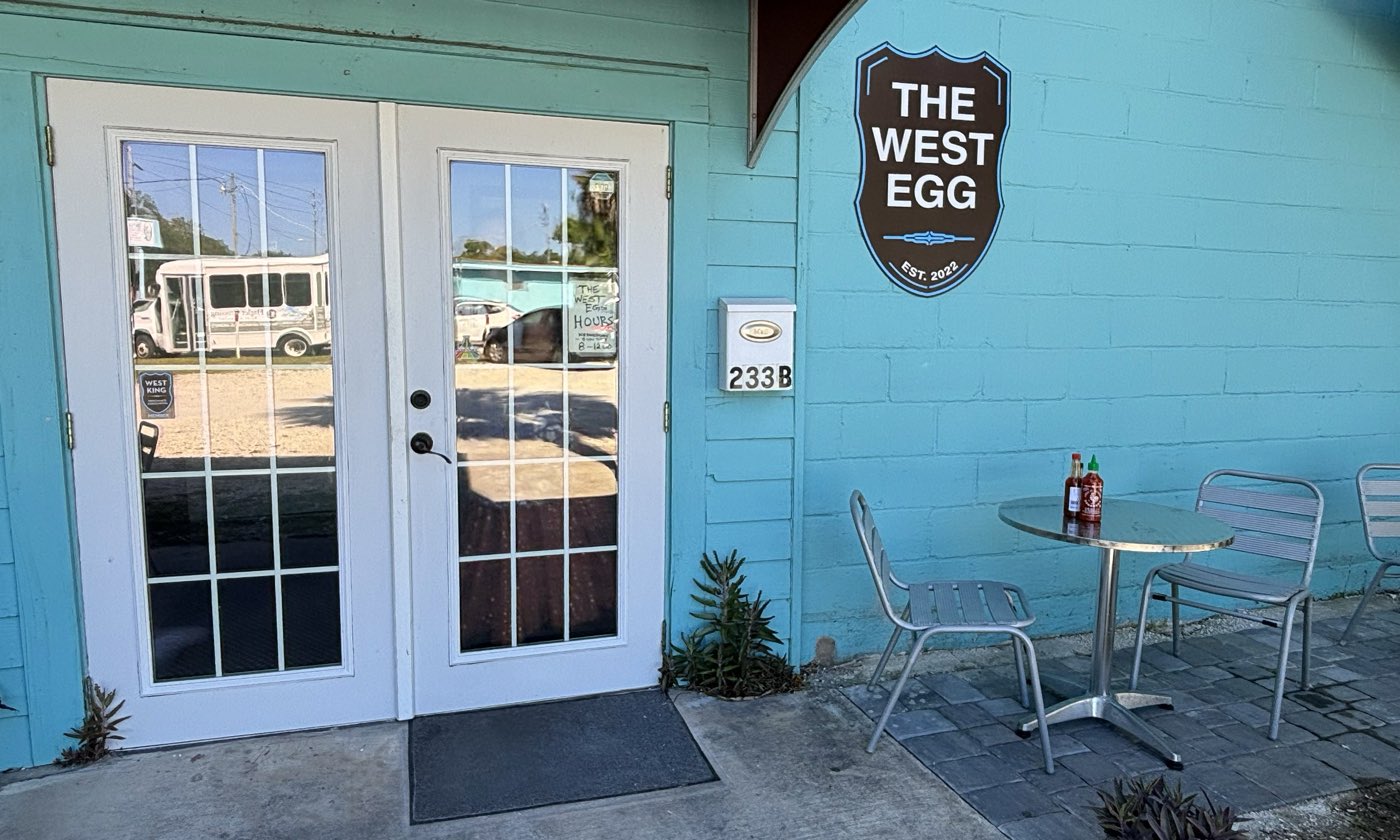
Pigment and paint · milled in small runs
Forty litres at a time, in a yard behind the old feed store. Every colour is named for the place its pigment came from, and none of it ships until it has been laid beside that place in daylight and the two agree.
Wheal Verdi · #65C2D5 · lettered in Sarum Green01 — The pairs
A colour on its own is a guess. A colour with something to sit against is a decision. These three pairs are what we keep in stock all year, and each chip is lettered in its partner — the quickest way to see whether two colours can hold a room together.
Pair 01 Marle Pit Ochre / Cranwich Bog contrast 5.6:1
#EBB756
Yellow ochre washed out of the clay marl. Warm, opaque, slightly greenish in the shade.
harrow & pike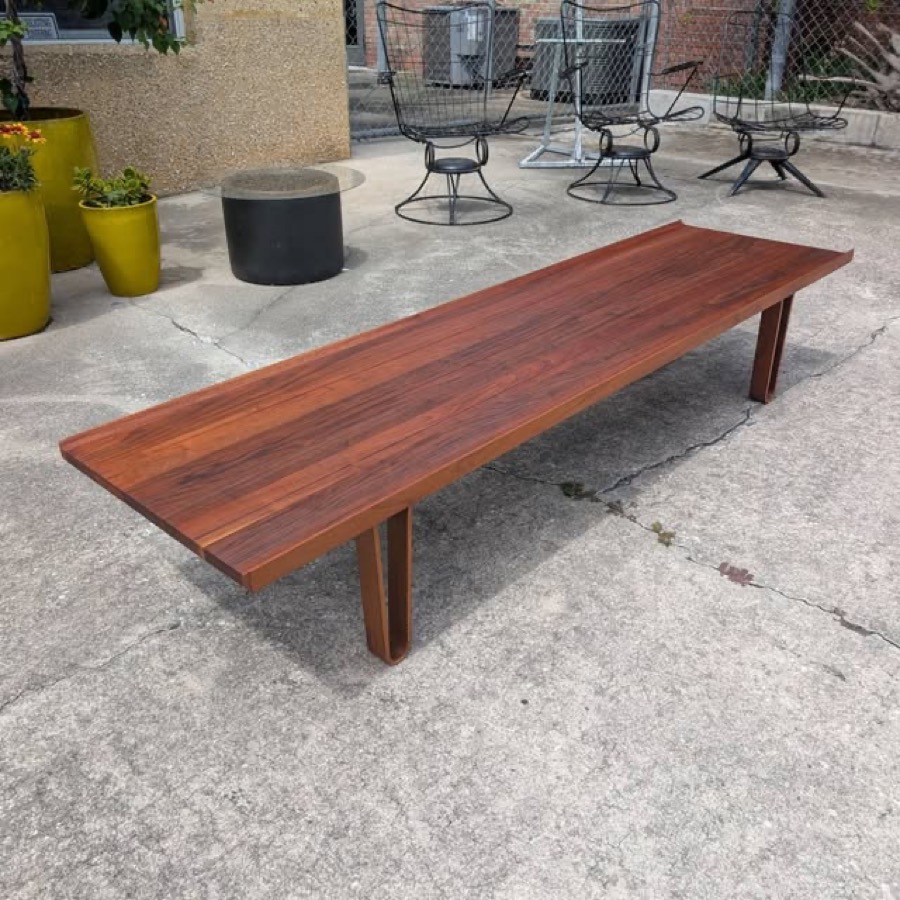
#5A3828
Brown earth from drained fen peat, roasted twice. Reads black in a north room and red at four o'clock.
harrow & pikePair 02 Wheal Verdi / Sarum Green contrast 4.7:1
#65C2D5
Copper carbonate off the old mine spoil, ground fine. The only colour here that gets louder in direct sun.
harrow & pike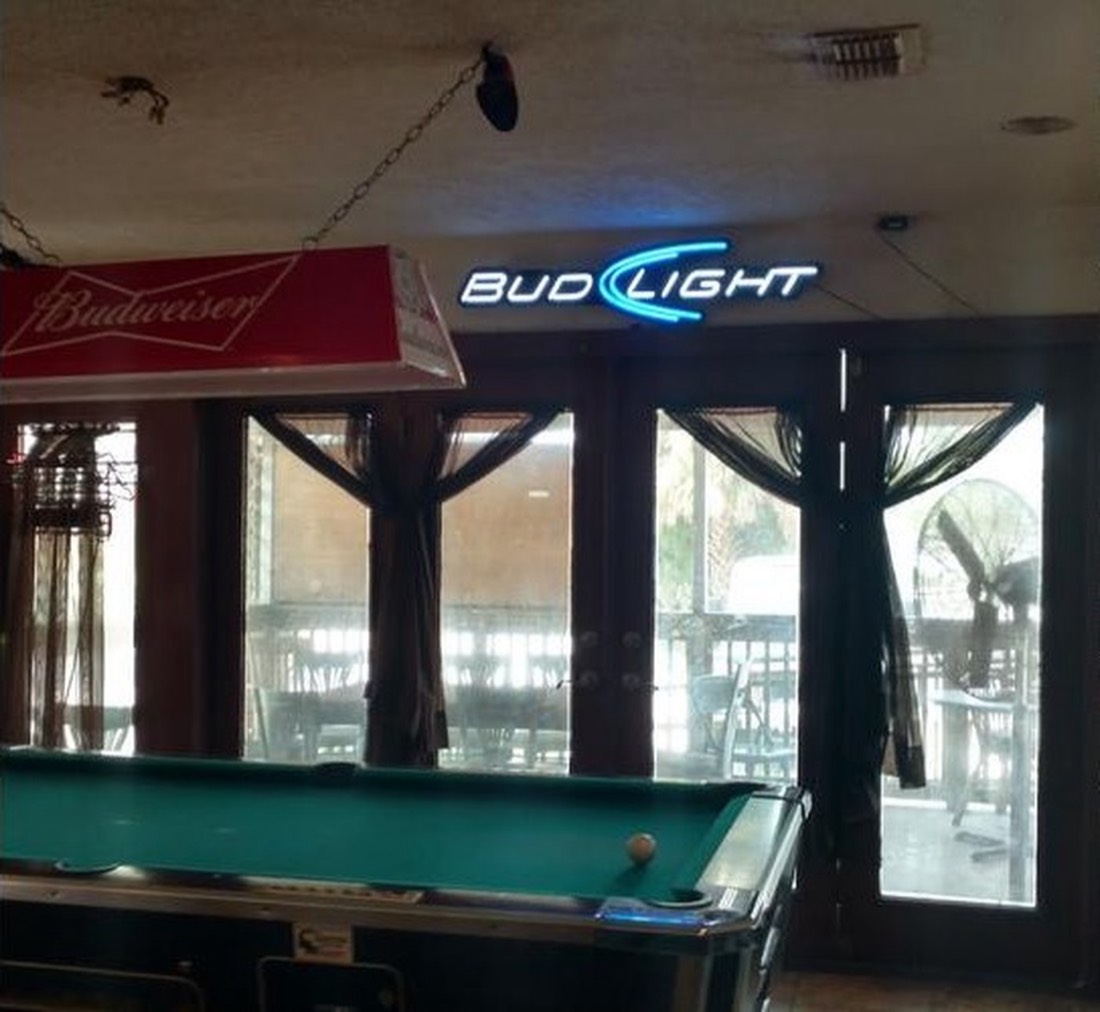
#0D4D47
Green earth off the chalk escarpment. Weak on its own, which is the point — it holds a wall without arguing.
harrow & pikePair 03 Chalkwell Buff / Furnace Row Red contrast 5.0:1
#FCD5AA
Burnt lime and a pinch of the ochre. The ceiling colour we sell most of, and the one people call to reorder.
harrow & pike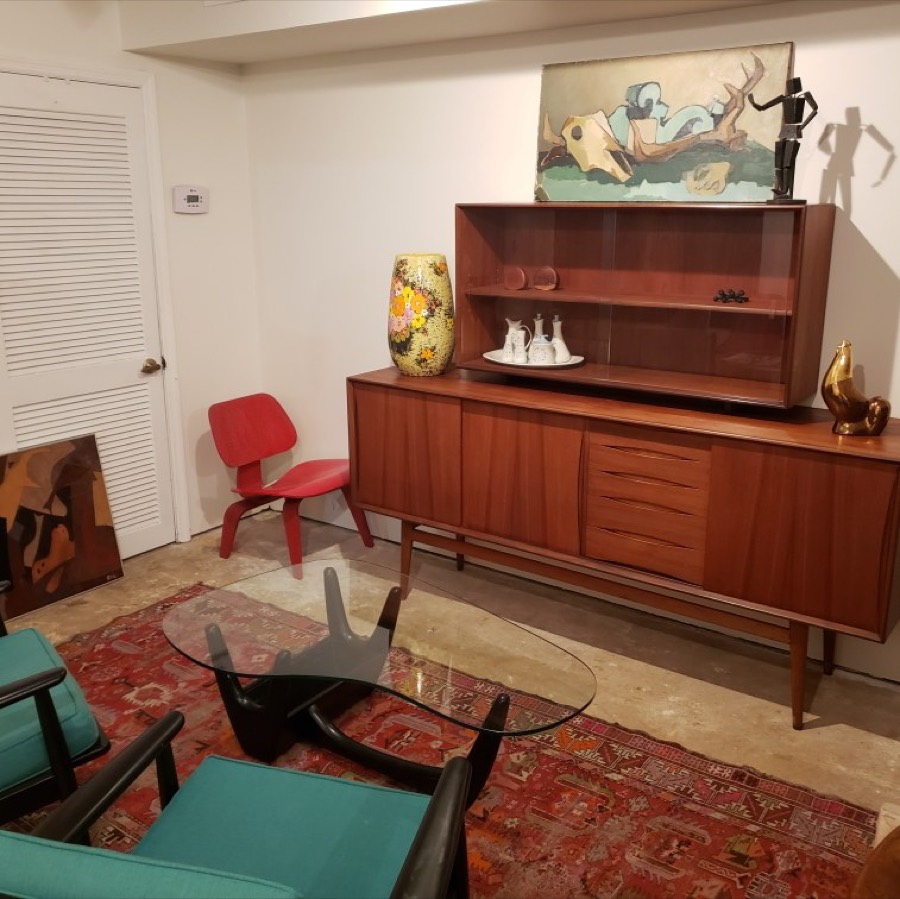
#AA2826
Red iron oxide, calcined in the same shed the terrace was named after. One coat covers; two is showing off.
harrow & pike02 — Proof
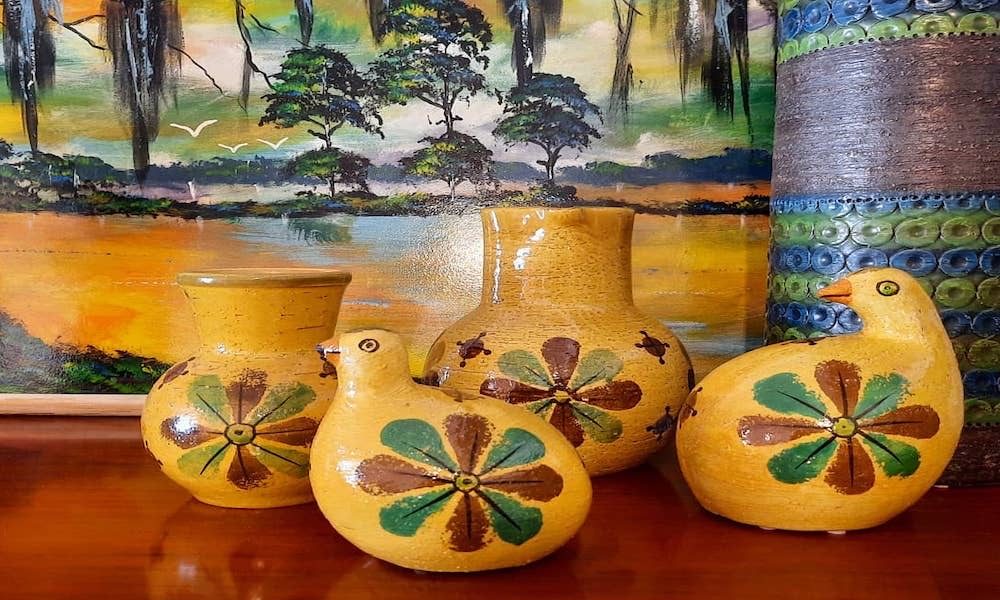
Every colour we sell exists somewhere before it exists in a tin. Below each photograph is the hex we read off it and the part of the frame we read it from. When a batch drifts away from its photograph we mill it again rather than rewrite the number.
Read off the glaze on the tall vessel, left of centre — the lit side, not the rim.
Read off the dark grain at the near edge of the slab, halfway along.
Read off the sunlit blocks above the table, upper right of the frame.
Read off the felt in the bottom-left corner of the table, out of the window light.
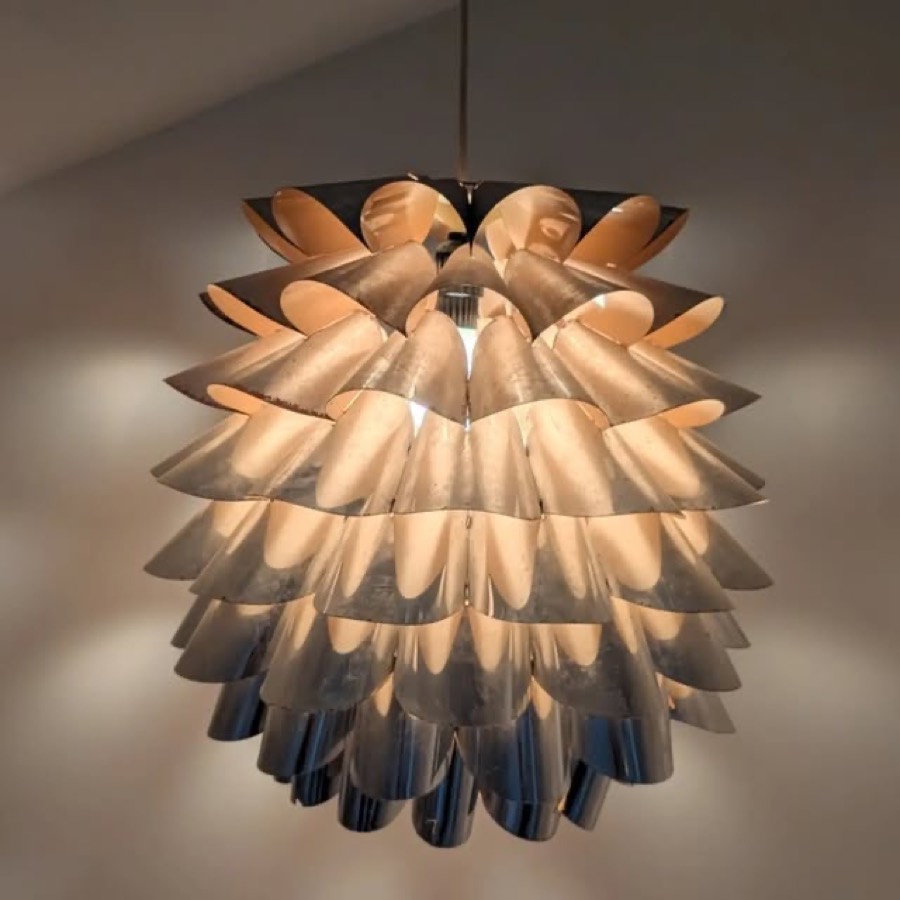
Read off the lit undersides of the middle row of petals.
Read off the seat shell of the chair, away from the highlight on the lip.
03 — Specification
CMYK here is a conversion, not a press proof. Ask us for a drawdown before you commit anything to print, and we will post one the same week.
CMYK0, 22, 63, 8
RGB235, 183, 86
HEX#EBB756
CMYK0, 38, 56, 65
RGB90, 56, 40
HEX#5A3828
CMYK53, 9, 0, 16
RGB101, 194, 213
HEX#65C2D5
CMYK83, 0, 8, 70
RGB13, 77, 71
HEX#0D4D47
CMYK0, 15, 33, 1
RGB252, 213, 170
HEX#FCD5AA
CMYK0, 76, 78, 33
RGB170, 40, 38
HEX#AA2826
04 — Process
Nothing here is quick and none of it is clever. It is the same order of operations a paint house would have used in 1890, with better lighting.
01
Pigment arrives as rock, clay or mill scale, in paper sacks, from six places we have been buying from for a long time. We will tell you which pit if you ask, and we will not tell you the price we pay for it.
02
Ground in water and settled three times over four days. The fines make the paint; the grit goes on the path outside the door, which is now a rather good colour itself.
03
Three passes on a granite slab with a glass muller until a drawdown shows no specks under a ten-times loupe. This is the part that takes the day.
04
The wet batch is laid beside the photograph the colour was named from, in north light, around ten in the morning. If they argue, it goes back to the slab. We have never once adjusted the photograph.
05
Forty litres fills eighty half-litre tins. Each one gets the batch number, the date it was mulled, and the name of the place it came out of.